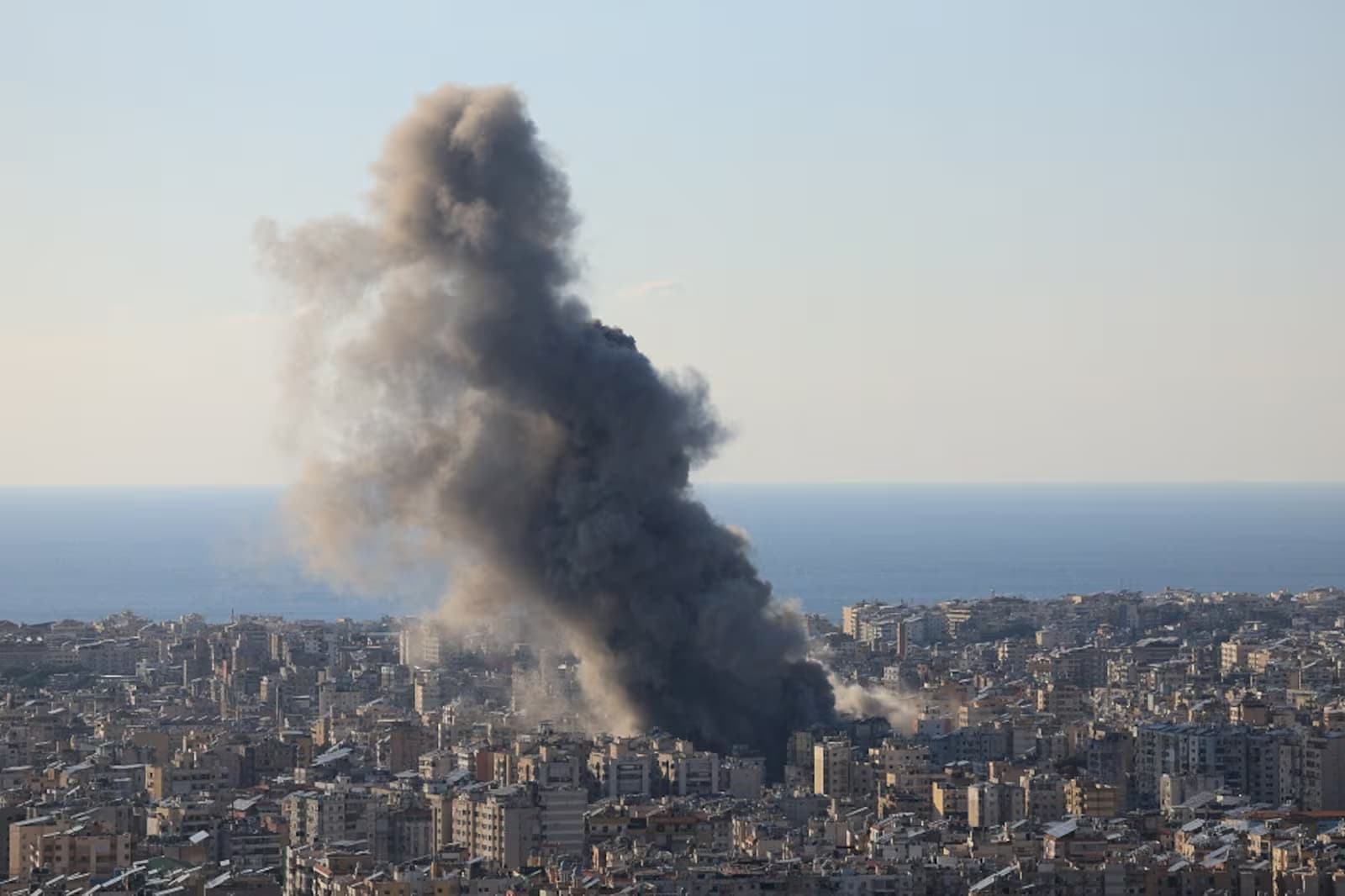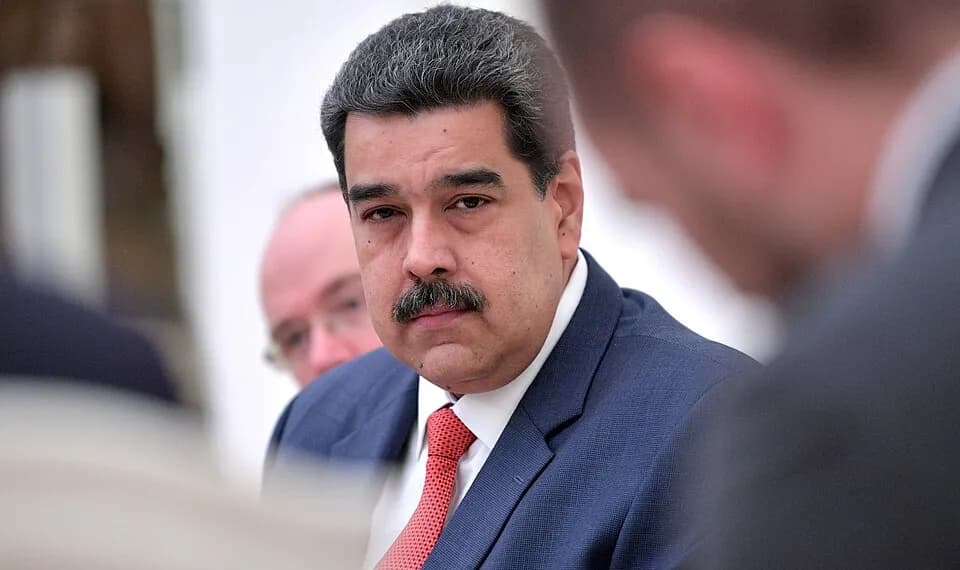
The AU and South Africa have expressed serious concern about reports of US military action in Venezuela and the alleged capture of President Nicolás Maduro. Both countries have warned that such actions could violate international law and destabilise regional and global security.
In a communiqué issued on Saturday, the African Union (AU) said it was following the situation in Venezuela “with grave concern,” highlighting reports of President Maduro’s abduction during a US operation. The AU reaffirmed its commitment to international law, emphasising respect for sovereignty, territorial integrity, and the right of peoples to self-determination.
The continental body stressed that dialogue and peaceful dispute resolution are essential for stability. It said Venezuela’s internal challenges could only be addressed through inclusive political dialogue among Venezuelans themselves, rather than through external military intervention. The AU also expressed solidarity with the Venezuelan people and called on all parties to exercise restraint to avoid further escalation.
South Africa has brought the matter to the United Nations Security Council, urging an urgent convening to address the situation. Pretoria described the US actions as a “manifest violation of the UN Charter,” which forbids the threat or use of force against the territorial integrity or political independence of any state.
The South African government noted that the UN Charter does not authorise external military intervention in domestic affairs. “History has repeatedly demonstrated that military invasions yield only instability and deepening crisis,” the statement said. It added that unilateral military actions undermine international order and the principle of equality among nations.
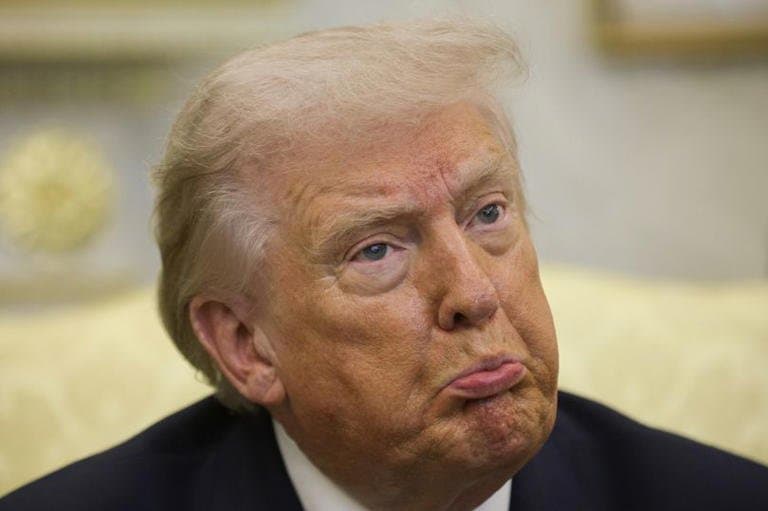
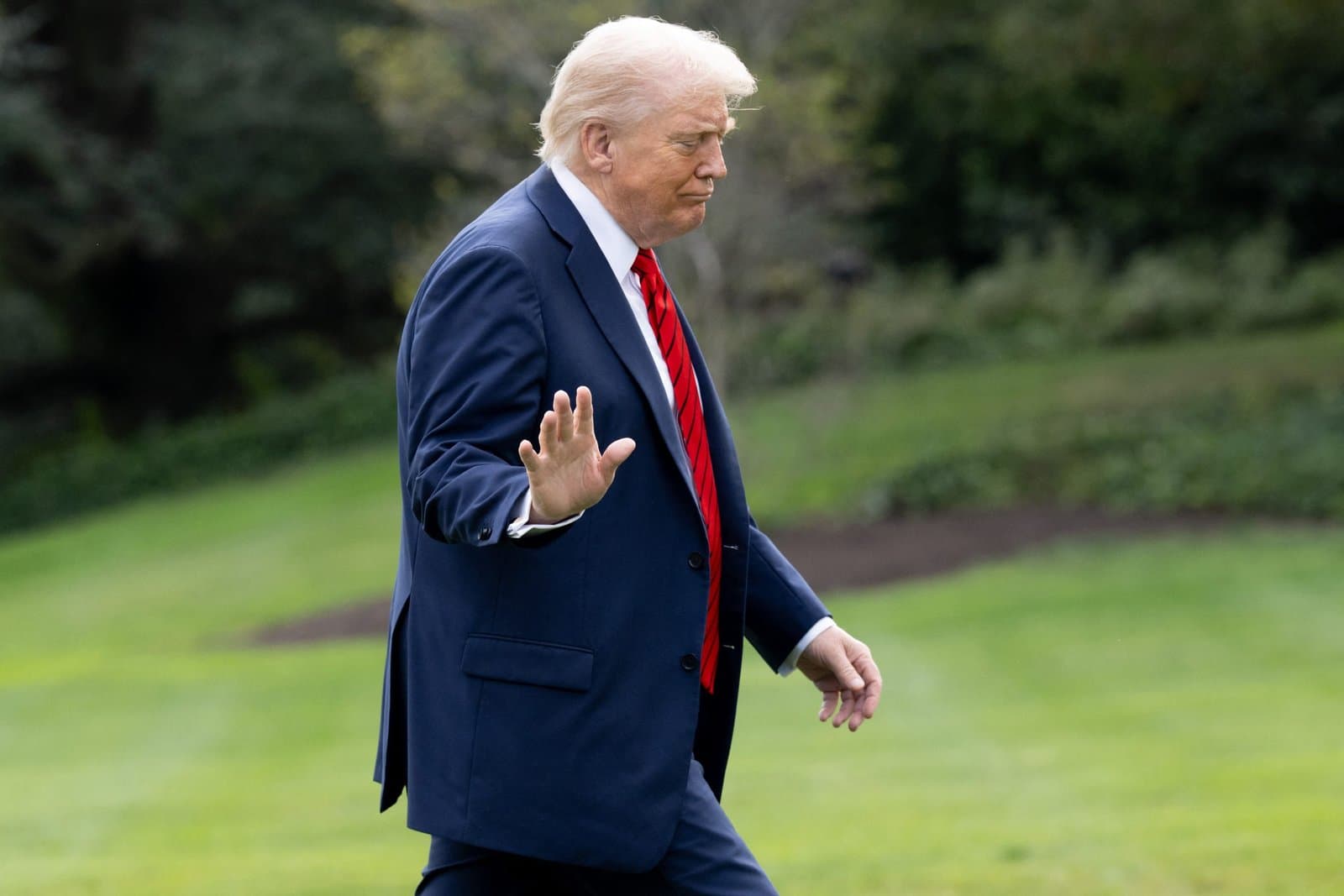
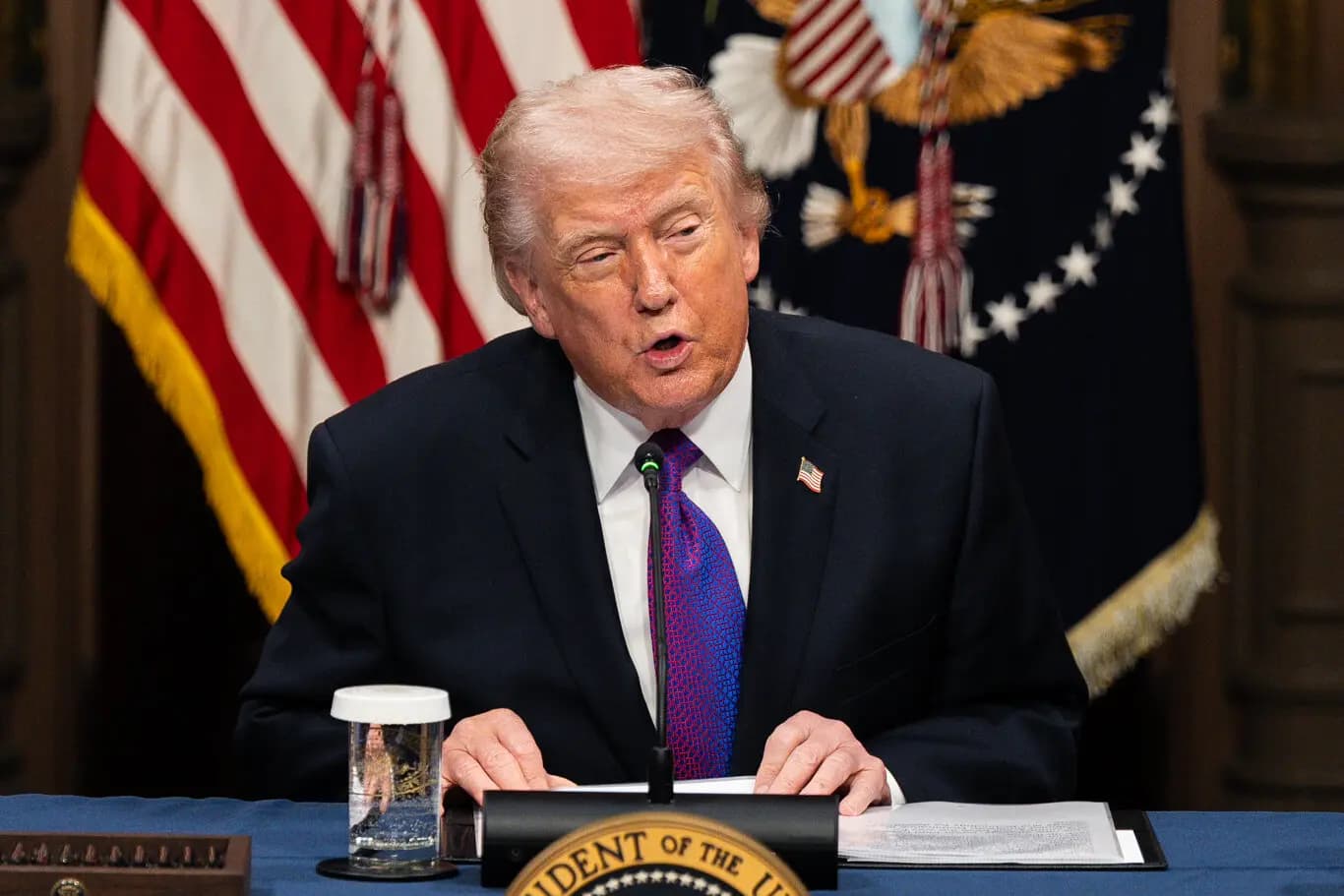
The US confirmed the operation on social media, with President Donald Trump claiming that President Maduro and his wife had been captured and flown out of Venezuela. US Attorney General Pam Bondi said the pair would face prosecution in American courts.
The AU and South Africa’s response underscores broader concerns about respect for sovereignty, adherence to international law, and the role of multilateral institutions in resolving international crises.