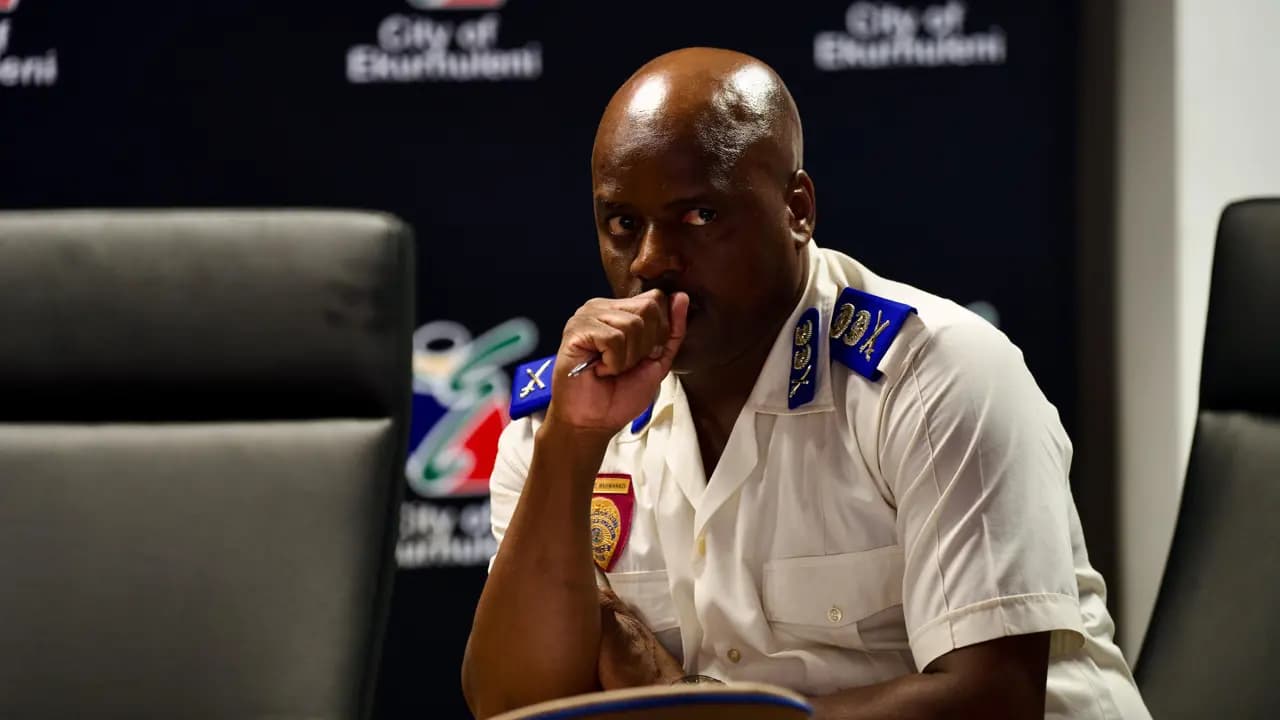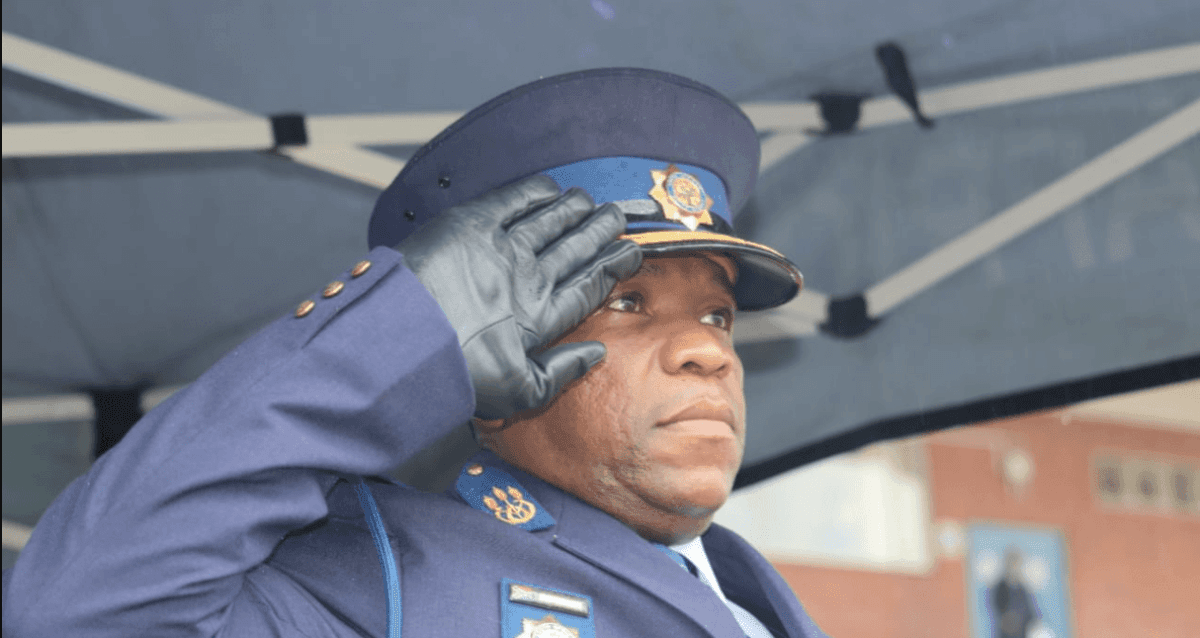
JOHANNESBURG, South Africa- KwaZulu-Natal Police Commissioner Lieutenant General Nhlanhla Mkhwanazi will take the stand as the first witness before a judicial commission investigating corruption and criminal influence in South Africa’s justice system on Monday. The inquiry, led by retired Constitutional Court Judge Mbuyiseli Madlanga, examines Mkhwanazi’s July 6 allegations that syndicates have infiltrated police, prosecutors, and the judiciary. The hearings, starting at 9 a.m. local time (0700 GMT) in Pretoria, aim to uncover the extent of organized crime’s grip on state institutions.
President Cyril Ramaphosa established the commission on July 14, prompted by Mkhwanazi’s claims that a Gauteng-based drug cartel controls a network spanning the South African Police Service (SAPS), National Prosecuting Authority (NPA), judiciary, Parliament, and prisons. Mkhwanazi specifically accused Police Minister Senzo Mchunu and Deputy National Commissioner Lieutenant General Shadrack Sibiya of obstructing investigations into political killings in KwaZulu-Natal. Mchunu, currently on special leave, denies the allegations, while Sibiya has stepped aside pending review.
“The allegations are serious and wide-ranging,” Madlanga said in a July 28 statement. “Our timeline is tight, but we’re committed to thoroughness.” The commission, operating under the Commissions of Inquiry Act of 1974, has six months to deliver findings and propose reforms to combat syndicate influence in law enforcement, intelligence, and judicial systems.
Mkhwanazi, 52, has led KwaZulu-Natal’s police since 2018, tackling political violence in a province plagued by assassinations linked to African National Congress (ANC) infighting. His July 6 press conference in Durban sparked national debate, alleging that Mchunu and Sibiya shielded criminals. “Unsubstantiated claims harm justice,” Chief Justice Mandisa Maya responded, urging evidence be submitted to the Judicial Service Commission.
A parallel parliamentary Ad Hoc Committee, chaired by ANC MP Molapi Soviet Lekganyane, also summons Mkhwanazi after September 24. Opposition parties, including the Economic Freedom Fighters, question the ANC’s oversight of both probes. “He started this; he must answer,” EFF leader Julius Malema said on September 5. ActionSA MP Dereleen James criticized Lekganyane’s role, saying, “An ANC chair undermines public trust.”
The commission’s scope includes SAPS, NPA, State Security Agency, judiciary, and metropolitan police in Johannesburg, Ekurhuleni, and Tshwane. It investigates whether National Executive members enabled organized crime or suppressed whistleblowers. With a R148 million ($8.3 million) budget, the inquiry will issue interim reports from October and hold public hearings unless sensitive matters arise.
South Africa grapples with soaring crime rates, reporting 27,494 murders from April to June 2025. Mkhwanazi’s credibility stems from past actions, like suspending corrupt intelligence head Richard Mdluli in 2010. However, he faces risks, with public support rallying under #HandsOffNhlanhlaMkhwanazi online.
Mchunu, 55, a former KwaZulu-Natal premier, vows to defend his reputation legally. The probe’s outcomes could reshape policing and restore trust in institutions battered by scandals like the Zondo Commission’s state capture findings.