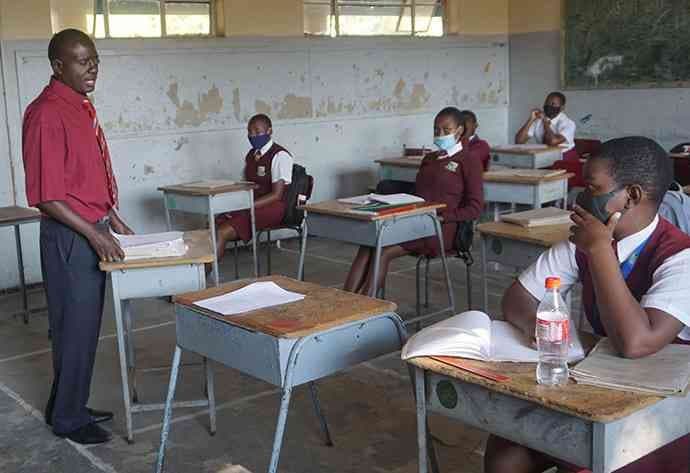
Zimbabwe teachers have threatened to withdraw their labour over a long-running dispute about salaries, as pressure mounts on the government to address the rising cost of living.
The warning came from the Amalgamated Rural Teachers Union of Zimbabwe (ARTUZ), which said its members could refuse to report for duty when schools reopen for the second term if their demands are not met.
Teachers are the latest group of public sector workers to push for higher wages, following industrial action by nurses earlier this week. The unrest highlights growing dissatisfaction among civil servants, many of whom say their incomes have been eroded by inflation and recent fuel price increases.
ARTUZ submitted a petition to Finance Minister Mthuli Ncube on Thursday, accusing the government of failing to honour a commitment to review salaries in the first quarter of 2026. The union said the deadline was approaching with no meaningful engagement.
Union leader Obert Masaraure said teachers were demanding a minimum monthly wage of US$1,260, arguing that current pay levels were no longer sufficient to meet basic needs.
He also criticised remarks by a deputy minister suggesting that salaries were competitive, describing them as misleading.
The government has attributed rising living costs to global economic pressures, including geopolitical tensions affecting oil supply routes. Officials say disruptions to energy markets have contributed to higher fuel prices, which in turn have driven up the cost of goods and services.
However, ARTUZ disputes this explanation, arguing that domestic policy decisions have worsened the situation. The union claims recent fuel price increases in Zimbabwe have outpaced global trends, placing an additional burden on workers.
The group has issued a four-day ultimatum, calling for urgent action to address both salaries and fuel costs. It warned that failure to respond could lead to coordinated protests and a broader disruption to the education sector.
“We will not report for duty next term if our demands are not met,” the union said in its statement.
The potential strike by Zimbabwe teachers raises concerns about further disruption to schooling, particularly in rural areas where staffing shortages are already a challenge.