Muhoozi vs Trump is not a tweet-war — it’s Uganda’s election crisis entering Washington’s bloodstream
By Brilliant Pongo
Report Focus News | Political Analyst & Editor’s Desk
The Update
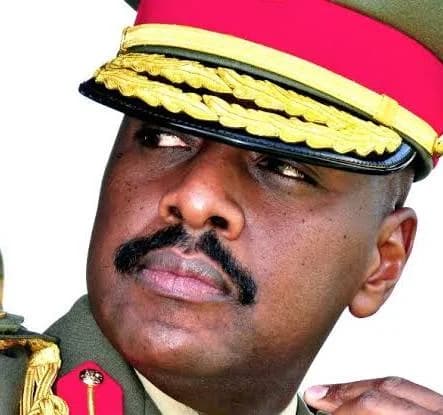
Uganda’s Chief of Defence Forces, Gen. Muhoozi Kainerugaba, has issued a public warning aimed at U.S. President Donald Trump: if “spoilers in the USA” sanction him or Uganda, Kampala could “respond by sanctioning them too,” adding that Uganda “seeks peace” but can “defeat any invader.”
This comes as senior U.S. voices—most notably Senate Foreign Relations Committee Chair Jim Risch—have described Uganda’s recent election as a “hollow exercise” and urged a reassessment of the U.S. security relationship with Kampala.
What this is really about
This is not simply Uganda vs America. It’s power vs scrutiny—and the stage is international.
Uganda’s disputed January 15, 2026 election has been followed by reports of mass detentions and killings of opposition supporters, amid threats and hard-line messaging from the security leadership.
When Washington begins speaking the language of sanctions, Kampala responds with the language of sovereignty. But beneath both languages is a quieter truth: succession politics and regime survival.
For Ugandan readers
- Why the “sanctions talk” has arrived now
Because elections don’t end at the tallying centre anymore. They continue in:
human rights narratives,
security cooperation debates,
visa bans and financial restrictions,
and the court of global legitimacy.
When U.S. lawmakers call an election “hollow,” they are not just insulting Kampala. They are signalling: “We may shift our relationship with you.”
- What Muhoozi’s posture is doing domestically
This message is a rallying drum. It tells the base:
“The West is attacking us.”
“We are under siege.”
“Therefore unite behind the shield.”
In many African states, external pressure becomes fuel for internal consolidation: arrests become “security,” criticism becomes “treason,” and elections become “a matter of national defence.”
- The danger for ordinary Ugandans
When politics militarises language, it militarises daily life.
Sanctions—targeted or broad—can still ripple into:
banking friction,
investor hesitation,
aid conditionality,
and a tightening domestic space where dissent is treated as enemy activity.
For international readers
- “We will sanction you too” is not equal power
The U.S. sanctions toolbox can affect access to finance, travel, and security cooperation. Uganda’s ability to “sanction back” is mostly symbolic—useful for politics, limited for leverage. The message is not symmetry; it’s defiance as diplomacy.
- Why Washington is angry
Uganda is a key security actor in the region—yet Washington is facing a familiar dilemma:
How do you justify deep security ties while elections and rights abuses are under intense criticism?
- The bigger question: security stability vs democratic credibility
When allies clamp down after disputed elections, the West often responds with statements. But statements are not policy. Sanctions are policy. That is why this moment matters: it suggests the debate is shifting from concern to consequence.
The Editor’s Commentary
Muhoozi’s message is not just addressed to Trump.
It is addressed to history.
In our region, elections are too often treated like a ritual—held to satisfy the calendar, not the citizen. When credibility collapses, the state does not repair trust; it raises its voice. It replaces explanation with intimidation. It turns politics into a barracks conversation.
But here’s the law of leadership:
A government that cannot answer questions will eventually silence questioners.
And a state that must shout “sovereignty” every day is often confessing that legitimacy is leaking.
Uganda is not alone in this pattern. It is simply the latest mirror.
What to watch next
Targeted sanctions (individuals, networks, visas) rather than broad punishment.
A security relationship stress-test: quiet pressure, conditional cooperation, reputational distancing.
More megaphone diplomacy: louder nationalism, sharper online threats, tighter internal controls.