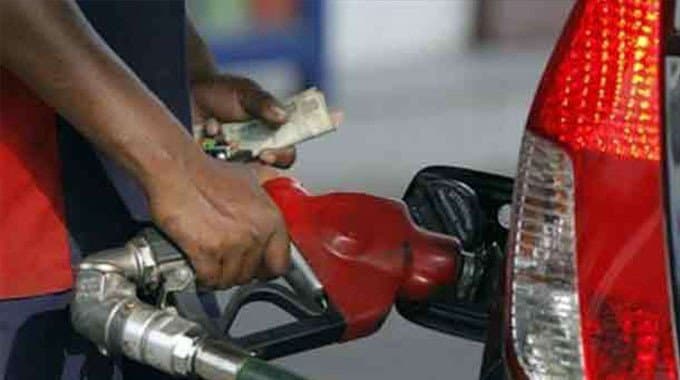
Zimbabwe fuel prices have risen sharply following a government-approved increase, pushing the country to become the second most expensive fuel market in the Southern African Development Community (Sadc).
The latest adjustment, announced by the Zimbabwe Energy Regulatory Authority (Zera), saw diesel prices climb from US$1.77 to US$2.05 per litre, while petrol rose from US$1.71 to US$2.17 per litre. The increases represent jumps of nearly 16% for diesel and 27% for petrol.
Officials say the rise in Zimbabwe fuel prices reflects global pressures, particularly escalating tensions in the Middle East that have driven up crude oil prices to between US$106 and US$115 per barrel. Zimbabwe, which imports all of its fuel, is especially vulnerable to such fluctuations.
According to global fuel tracking data, only Malawi currently has higher pump prices in the region. Other countries in Sadc, including Angola, Botswana and South Africa, maintain significantly lower fuel costs.
Economists warn that rising Zimbabwe fuel prices will have widespread effects across the economy. Fuel is a key input in transport, manufacturing, mining and agriculture, meaning higher costs are likely to be passed on to consumers.
Business leaders say the increase will push up logistics and production costs almost immediately. Companies may attempt to raise prices to maintain profit margins, although weak consumer demand could limit how much of the increase can be passed on.
Higher Zimbabwe fuel prices are also expected to contribute to inflationary pressures. Analysts predict that rising transport and commodity costs will reduce household purchasing power, leading to lower demand for non-essential goods.
At the same time, businesses—particularly small and medium enterprises—face increased pressure on working capital, as they require more liquidity to sustain operations in a high-cost environment.
While global oil trends have played a major role, local factors also contribute to Zimbabwe fuel prices. These include taxes, levies and various regulatory costs, which make up a significant portion of the final pump price.
Government officials say efforts are being made to cushion key sectors such as agriculture and transport. However, analysts caution that unless global prices stabilise, Zimbabwe fuel prices could remain elevated, with longer-term consequences for inflation and economic growth.