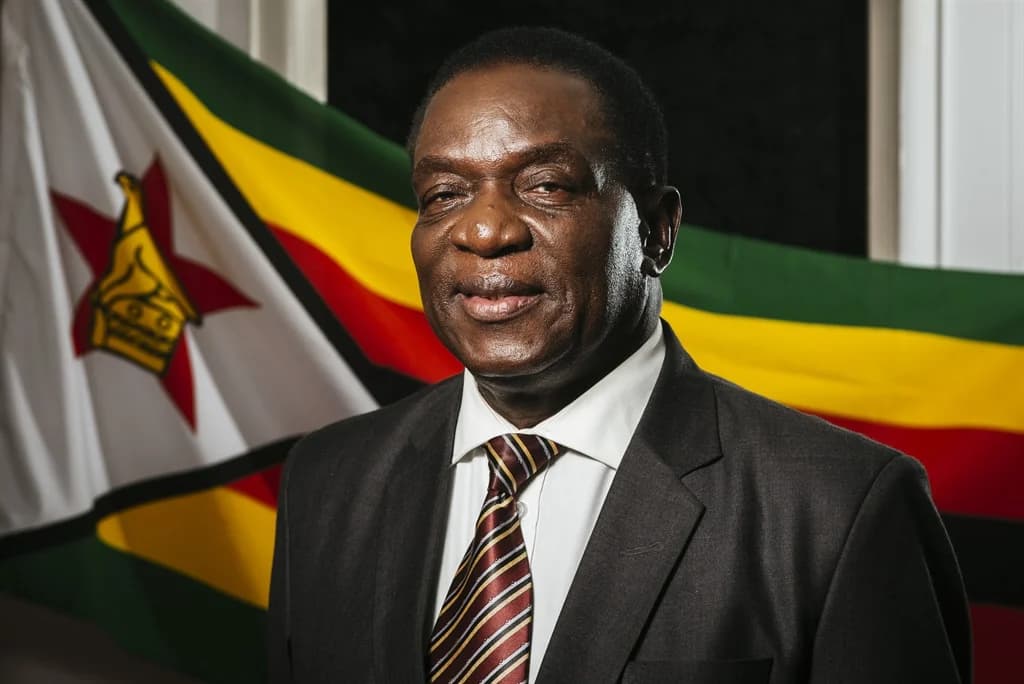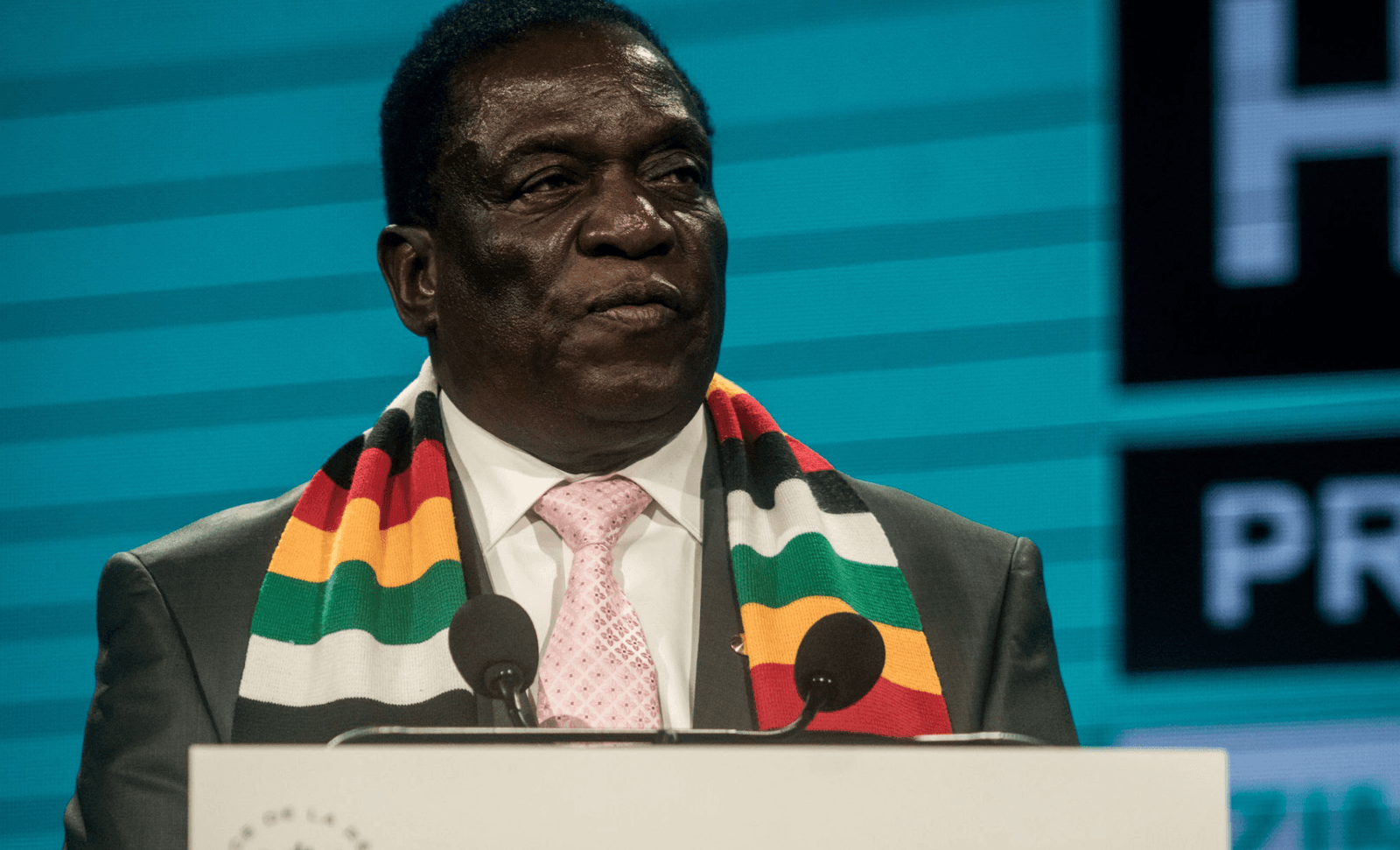
Zimbabwe's cabinet on Tuesday approved a draft constitutional amendment bill that would allow President Emmerson Mnangagwa to remain in office beyond 2028 by extending presidential terms from five to seven years and replacing direct elections with a parliamentary vote.
The Constitutional Amendment No. 3 Bill, presented to cabinet by Justice Minister Ziyambi Ziyambi, represents the most far-reaching rewrite of Zimbabwe's 2013 constitution and would reshape the country's governance framework if passed by parliament.
Mnangagwa, 83, is constitutionally required to step down in 2028 after serving two elected five-year terms. The extension to seven-year terms could keep him in power until 2030, advancing a plan the governing ZANU-PF party formally endorsed at its annual conference in October.
"The amendments will enhance political stability and policy continuity to allow development programmes to be implemented to completion," a cabinet statement said.
The bill removes the system of directly electing the president by popular vote, replacing it with election by a joint sitting of the National Assembly and Senate. To win, a candidate would need a majority of parliamentary votes.
Ziyambi told a news conference the bill would be sent to the Speaker of Parliament for publication in the official gazette. Under Section 328 of the constitution, the bill must be gazetted at least 90 days before being brought to parliament, allowing for public consultation.
Among the other proposed changes, the bill would allow the president to appoint 10 additional senators, expanding the upper house from 80 to 90 seats. Responsibility for voter registration would shift from the Zimbabwe Electoral Commission (ZEC) to the Registrar-General.
A new Zimbabwe Electoral Delimitation Commission would take over boundary-drawing functions from ZEC. The bill would also abolish the Zimbabwe Gender Commission, transferring its functions to the Zimbabwe Human Rights Commission.
The draft removes the public interview process for judicial appointments and changes the constitutional description of the defence forces' role from "uphold" the constitution to act "in accordance with" it. Candidates for Attorney-General would need to meet Supreme Court judge qualifications.
Opposition figures moved quickly to condemn the proposal.
"Any amendment which has the 'effect' of extending an incumbent's tenure should be subjected to a referendum," opposition politician David Coltart said. "They know that if that happens, they will fail, so they will do all in their power to prevent a referendum from happening."
Jameson Timba, a senior opposition leader, called the cabinet approval "politically destabilising" and said the Defend the Constitution Platform would consult lawyers and brief regional and international partners.
Gift Ostalos Siziba, another opposition figure, said the changes demanded collective vigilance. "The current push by ZANU-PF to amputate the Constitution demands collective vigilance and a firm defence of our democratic gains," he said.
ZANU-PF holds a two-thirds majority in the lower house and controls the upper house through traditional leaders and other proxies, giving it the votes to pass constitutional amendments without opposition support.
However, analysts and opposition figures argue the changes would also require a national referendum under Section 328(7), which states that amendments extending the length of time a person may hold public office do not apply to anyone who held that office before the amendment. Critics say any attempt to bypass a referendum would face legal challenges.
A Constitutional Court application linked to the Matabeleland pressure group Ibhetshu LikaZulu is set to address whether a referendum is required. The case could be determined before Chief Justice Luke Malaba retires on May 14.
Mnangagwa came to power after the military ousted longtime leader Robert Mugabe in 2017. He was elected in 2018 and re-elected in 2023 in polls the opposition disputed.
Zimbabwe has been governed by ZANU-PF since independence from Britain in 1980. Previous amendments to the constitution have drawn criticism from rights groups and legal experts as consolidating executive power.